
Knowledge hub
Plain-English guides to indoor air, mold, and what testing actually tells you.
Built from 25 years of Florida field work. No sales pitches, no scare tactics — just the building science behind the decisions you're being asked to make.
7 min read
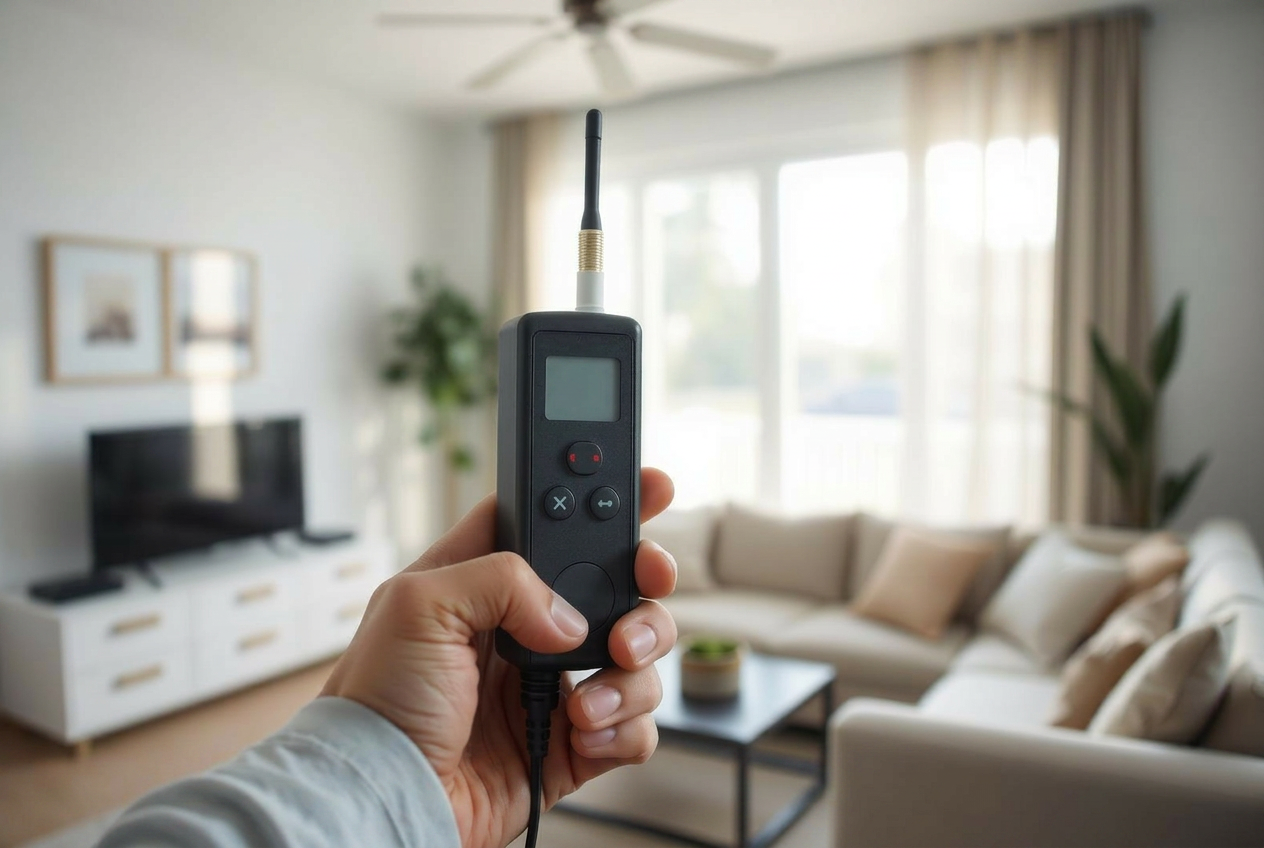
What Indoor Air Quality Testing Actually Measures
A real indoor air quality test measures eight core parameters: indoor temperature, relative humidity, fine particulate (PM2.5), carbon dioxide (CO₂), carbon monoxide (CO), combustible gas, formaldehyde, and total volatile organic compounds (TVOCs). Together they describe how the building is performing and whether occupants are being exposed to something they should not be.
Read guide
6 min read
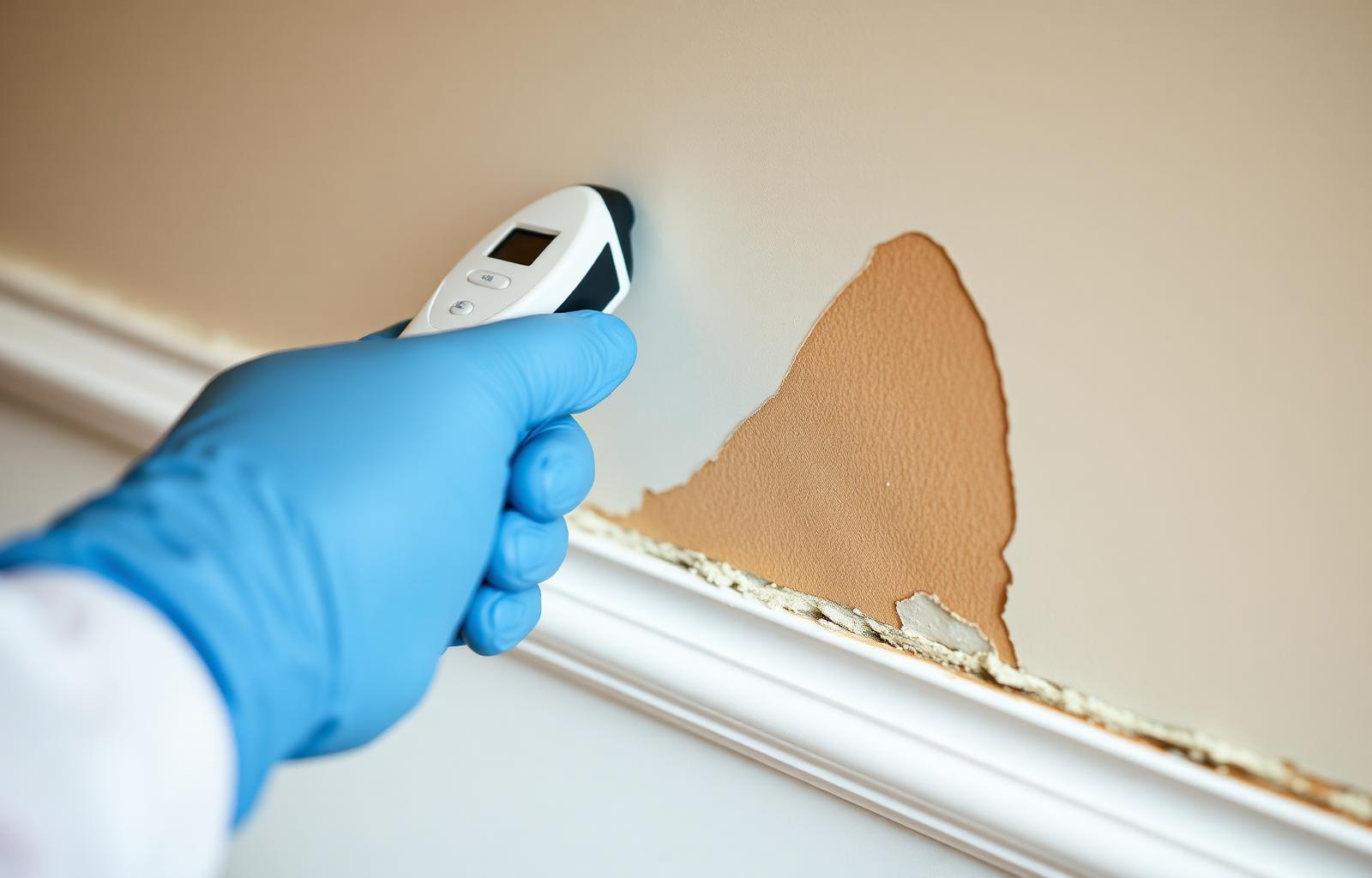
Mold Inspection vs Mold Testing: What's the Difference?
A mold inspection is a building-science investigation: it finds the moisture source, the affected materials and the likely extent. Mold testing is laboratory analysis of air or surface samples. Inspection is almost always required; testing is only useful when it can answer a specific question that inspection alone cannot.
Read guide
8 min read
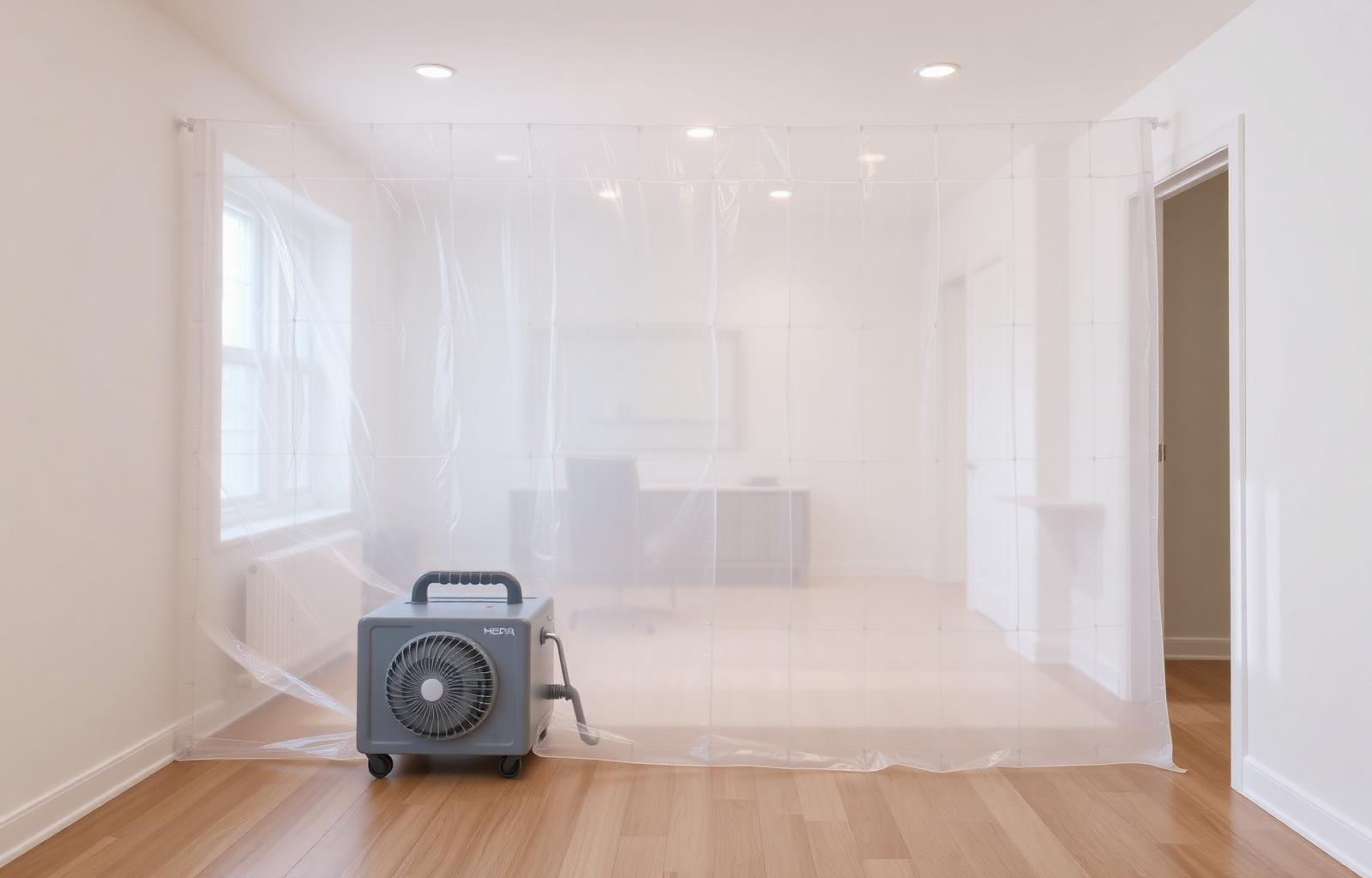
Florida Mold Remediation Standards: S520, Containment & PRV
Mold remediation in the United States follows ANSI/IICRC S520 — the standard of care for cleaning mold-contaminated materials. It defines condition classes, containment levels, engineering controls and verification criteria. Florida law adds a separation rule: the assessor who writes the protocol cannot be the contractor who executes it.
Read guide

7 min read
Indoor Asthma and Allergen Triggers: What to Test For
Most indoor asthma and allergy symptoms trace to a small set of allergens — dust mite (Der p 1, Der f 1), cat (Fel d 1), dog (Can f 1), cockroach (Bla g 1/2), mouse (Mus m 1) and mold. Laboratory analysis of settled-dust samples quantifies which reservoirs in your home are actually driving symptoms.
Read guide
6 min read
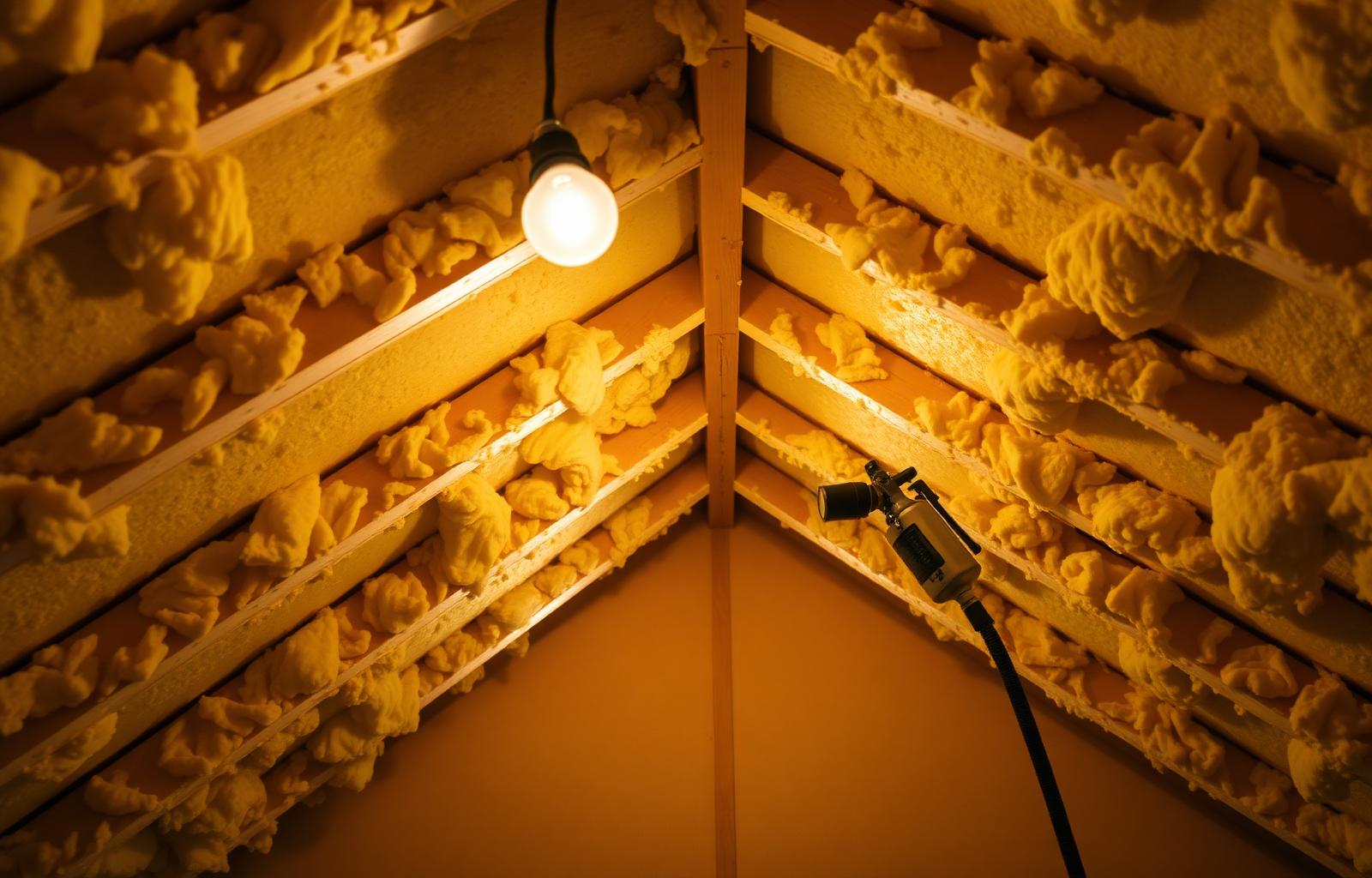
When Spray Foam Goes Wrong in Florida
When spray polyurethane foam fails in a Florida home, it is almost always one of four causes: off-ratio mix at the gun, lifts applied too thick, an unvented attic that traps the off-gassing, or a pre-existing IAQ problem misattributed to the foam. Each has a different remedy.
Read guide
9 min read
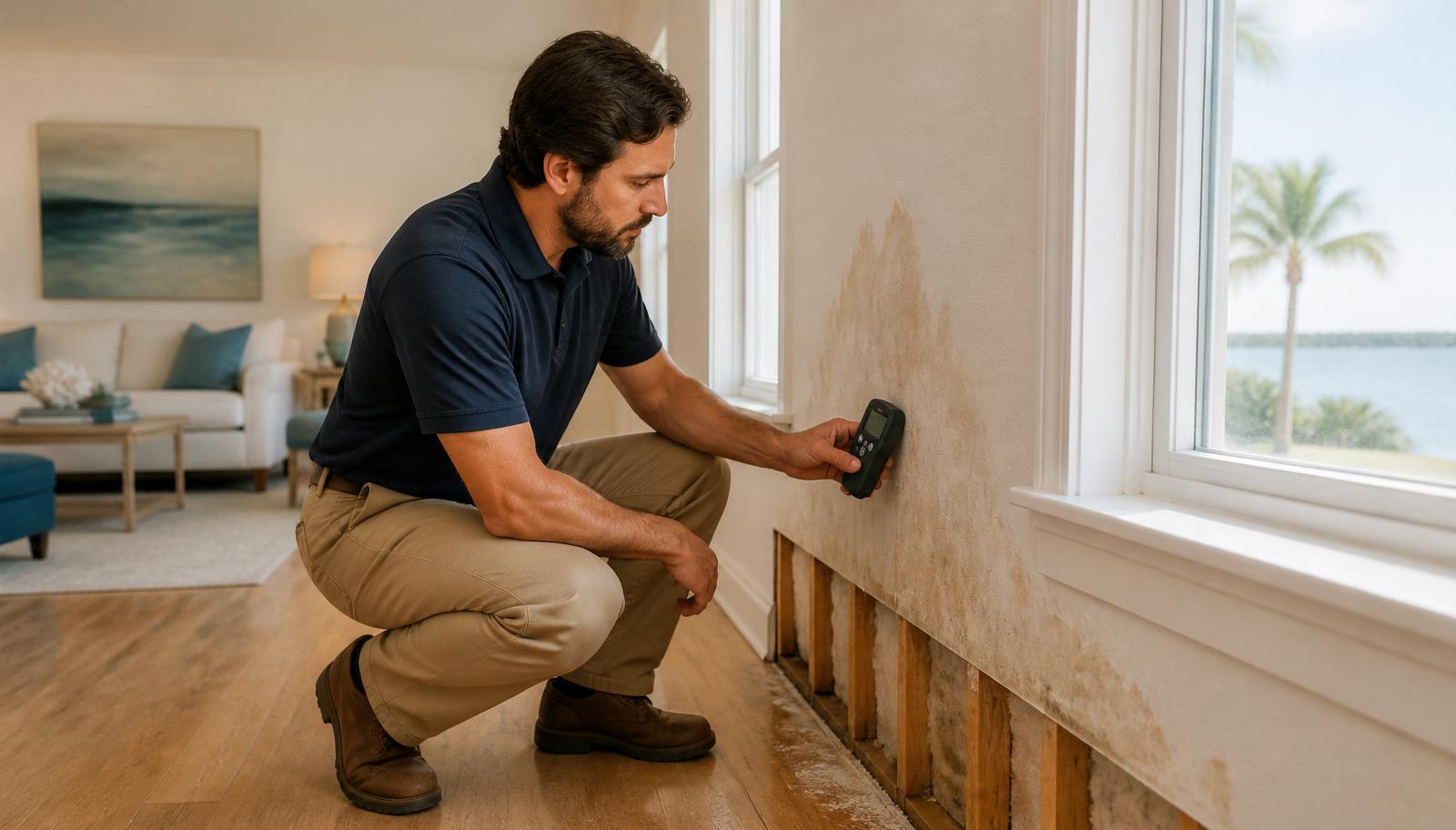
Mold Remediation Costs in Florida: What You Should Actually Pay
In Florida, most residential mold remediation projects cost between $1,500 and $6,000, with small isolated jobs starting near $500–$1,500 and whole-home or HVAC-involved projects running $10,000–$30,000+. Price is driven by contaminated square footage, the class of materials removed, containment level, HVAC involvement, and access. An independent mold assessment — legally required to be a separate firm from the remediator in Florida — typically pays for itself by preventing over-scoping.
Read guide

Have a real-world case?
Reading is great. A site visit is better.
If the symptoms in this guide sound like your building, we'll come look. Independent, building-science first, no pressure to remediate.