

Article
IAQs
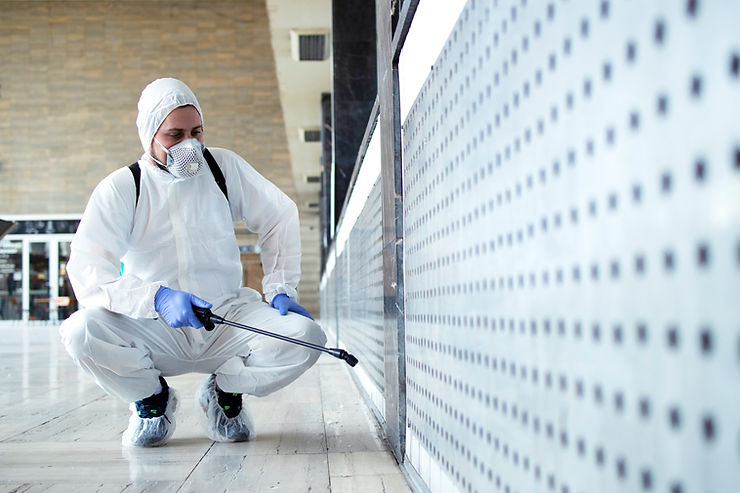
Understanding the Florida Mold Remediation Protocol
What Is the Florida Mold Remediation Protocol?
The Florida mold remediation protocol is a detailed, state-regulated plan outlining how to safely and effectively remove mold from residential or commercial properties. It ensures that all mold remediation work follows professional standards for occupational safety and health, contamination control, and post-remediation verification. This protocol, written by a licensed mold assessor, provides specific guidance for the remediator to follow during the cleanup process — including containment, personal protective equipment (PPE), ventilation, and verification procedures.
Why Florida Has Specific Mold Regulations
Florida’s warm, humid climate creates ideal conditions for mold growth, making mold inspection and proper remediation essential for property owners. To prevent unsafe or incomplete cleanup jobs, state law separates the roles of assessor (who inspects and writes the protocol) and remediator (who performs mold removal). This legal distinction avoids conflicts of interest and ensures homeowners receive unbiased, science-based results supported by laboratory testing.
The Importance of Testing and Documentation
Before and after remediation, professional testing is crucial. It identifies mold species, moisture levels, and potential airborne contamination in materials like drywall and wood. A detailed report documents all findings, maps affected areas, and outlines procedures for safe cleanup and post-remediation verification. This documentation not only supports compliance with Florida law but also provides valuable records for insurance claims and property transactions.
Step 1 — Initial Mold Assessment
Role of a Licensed Mold Assessor
Every professional mold remediation project in Florida begins with a licensed mold assessor. Their job is to conduct a full inspection of the property to locate visible mold, detect hidden moisture, and determine the extent of contamination. Using specialized tools such as infrared cameras, hygrometers, and particle counters, the assessor collects both air and surface samples for laboratory analysis. This data forms the scientific foundation of the remediation protocol.
Visual Inspection and Moisture Mapping
A visual inspection identifies visible signs of mold growth, water damage, or discoloration on building materials such as drywall, insulation, or wood framing. Moisture mapping involves using sensors to trace water intrusion pathways from plumbing leaks, roof damage, or condensation from air conditioning systems. Detecting these moisture sources early helps prevent further contamination and guides targeted remediation efforts.
Air and Surface Sampling for Mold Spores
Air samples are collected to measure spore concentrations and determine the presence of indoor mold compared to outdoor baselines. Surface sampling, such as swabs or tape lifts, helps confirm contamination on walls, floors, and ceilings. Results from accredited laboratories identify mold types and guide the appropriate HEPA vacuuming, cleaning, and dehumidifier use specified later in the remediation protocol.
Step 2 — Developing a Mold Remediation Protocol Report
What the Protocol Report Includes
After completing testing and analysis, the assessor prepares a mold remediation protocol report. This document outlines step-by-step procedures for safe and compliant mold removal, including affected materials, work area containment, and cleaning methods. It specifies equipment requirements such as HEPA filters, respirators, and eye protection, ensuring that all work meets occupational safety and health standards.
Defining Containment, PPE, and Engineering Controls
The protocol defines how contaminated zones must be contained using plastic sheeting, negative air machines, and proper ventilation to prevent cross-contamination. It details personal protective equipment like gloves, respirators, and protective suits to safeguard workers. Engineering controls, including HEPA vacuums and dehumidifiers, help maintain clean airflow and reduce airborne mold spores during remediation.
Establishing Clearance Testing Requirements
The final section of the remediation protocol specifies the clearance testing process that follows cleanup. Clearance ensures that spore levels return to normal and that no visible mold or excessive dust remains. This verification testing must be conducted by a licensed mold assessor — not the remediator — to confirm the environment is safe for re-occupancy.
Step 3 — Mold Remediation Process
How Licensed Remediators Follow the Protocol
Once the protocol report is complete, a licensed mold remediator carries out the cleanup process according to the detailed plan created by the assessor. Each step must align with the Florida mold remediation protocol, ensuring compliance and safety. The remediator sets up containment barriers to isolate affected areas, uses HEPA-filtered air scrubbers, and applies negative air pressure to prevent the spread of contamination to clean zones. Every action—from removal to disposal—is carefully documented for later verification.
Proper Removal, Cleaning, and Drying Procedures
Contaminated materials such as drywall, carpet, or insulation are removed and safely disposed of in sealed bags. Hard surfaces are cleaned using HEPA vacuums and antimicrobial agents to remove residual spores. Once removal is complete, dehumidifiers and air movers are used to reduce moisture and humidity levels. This drying phase is critical to preventing mold from reappearing after the cleanup. Proper ventilation during and after remediation helps maintain balanced humidity and clean airflow throughout the property.
Preventing Cross-Contamination During Work
Professional remediators use strict engineering controls to prevent mold spores from spreading to unaffected areas. Workers wear full personal protective equipment (PPE) including gloves, respirators, and eye protection. Negative air machines, HEPA vacuums, and controlled work zones help contain airborne particles and dust, ensuring cleanup is performed under safe and sanitary conditions that meet occupational safety and health standards.
Step 4 — Post-Remediation Verification (Clearance Testing)
Purpose of Clearance Testing
Once remediation is complete, a licensed mold assessor returns to perform post-remediation verification (PRV), also known as clearance testing. This step ensures that all visible mold and contamination have been successfully removed and that spore counts are within acceptable limits. Clearance testing provides unbiased, scientific confirmation that the environment is safe for re-occupancy.
Lab Analysis and Certification of Results
Collected air and surface samples are sent to an accredited laboratory for detailed analysis. The lab measures spore levels and identifies any remaining contamination, including mold, asbestos, or bacteria. Once results are confirmed, the assessor issues a clearance certificate verifying that the property has passed inspection and meets Florida’s health and safety standards.
Ensuring the Property Is Safe for Occupancy
Passing clearance testing means the property is safe for residents or employees to return. It also ensures that all moisture issues, ventilation improvements, and structural repairs have been properly addressed. Homeowners receive final documentation summarizing test results, lab findings, and recommendations to prevent future humidity and water damage issues.
Common Mistakes in Florida Mold Remediation
Skipping Pre-Remediation Testing
Many property owners skip the assessment stage and jump straight to cleanup, which can lead to incomplete or unsafe results. Without baseline testing, there’s no way to confirm contamination levels or ensure proper cleanup afterward. Florida law requires that testing and remediation be performed by separate licensed professionals to maintain objectivity.
Using the Same Company for Testing and Remediation
Hiring the same company for both inspection and mold removal creates a conflict of interest. Since IAQs provides testing-only services, clients receive unbiased assessments without any upselling for cleanup or restoration. This transparency is key to achieving accurate results and maintaining compliance with Florida’s strict mold remediation standards.
Ignoring Moisture Sources That Cause Recurrence
Even after thorough cleanup, mold can return if moisture or humidity problems aren’t fixed. Issues such as leaks, poor air conditioning maintenance, or inadequate ventilation often go unaddressed. Proper assessment identifies these root causes so preventive steps—like improved drainage or dehumidification—can be implemented.
Florida-Specific Challenges for Mold Remediation
High Humidity and Water Intrusion Risks
Florida’s year-round humidity makes mold prevention an ongoing challenge. Even small leaks or condensation from HVAC systems can create ideal conditions for mold growth inside walls and ceilings. Regular testing and moisture control are essential to keeping your home or business mold-free.
Hurricane and Storm Damage Complications
Storms and hurricanes frequently lead to water intrusion, roof leaks, and flooding. These events often cause hidden water damage inside drywall, wood framing, or insulation. Without professional testing, these hidden moisture pockets can lead to long-term contamination and structural decay.
HVAC Systems and Moisture Control
Florida’s heavy reliance on air conditioning can contribute to indoor mold problems if systems aren’t properly maintained. Dirty coils, clogged filters, or leaky ducts can trap dust and moisture, spreading spores throughout the property. Routine inspection and maintenance help prevent this type of contamination and ensure clean indoor air circulation.
Why Choose IAQs for Florida Mold Protocol Testing
Licensed and Independent Mold Assessors
IAQs employs only licensed mold assessors who specialize in protocol development and mold inspection. With years of experience in Florida’s climate, IAQs ensures every protocol meets state and occupational safety and health standards.
Non-Invasive, Testing-Only Services
IAQs provides testing-only services—no remediation or removal—ensuring you receive unbiased, third-party results. This allows you to make informed decisions about remediation without sales pressure or conflicts of interest.
Lab-Certified Reports and Florida Compliance
All samples are analyzed in accredited laboratories, and every report includes detailed findings, contamination maps, and recommendations for remediators to follow. IAQs ensures your project complies fully with Florida licensing requirements and environmental health regulations.
Conclusion: Compliance, Safety, and Peace of Mind
Following the Florida mold remediation protocol protects your health, property, and investment. By separating testing from remediation, homeowners gain unbiased results and ensure that cleanup is performed correctly. With proper containment, HEPA filtration, and moisture control, your space can be safely restored to a clean, healthy condition.
Take Action — Schedule Your Mold Assessment and Protocol Report Today
Don’t wait for mold to spread or cause further damage. Schedule a professional mold inspection and protocol with IAQs today.
Our experts deliver lab-certified, Florida-compliant testing that identifies contamination, verifies air quality, and protects your home or business from future outbreaks.
Contact IAQs now to schedule your appointment and ensure your property is safe, compliant, and mold-free.
FAQs (Frequently Asked Questions)
What does a Florida mold remediation protocol include?
A protocol includes step-by-step instructions for cleanup, containment, PPE requirements, and post-remediation verification procedures based on lab results and professional testing.
Who can legally create a remediation protocol in Florida?
Only a licensed mold assessor can legally write a remediation protocol under Florida law. This separation ensures objectivity and compliance with state standards.
Why is post-remediation testing required?
Post-remediation or clearance testing verifies that mold, dust, and airborne particulates have been successfully removed, confirming the property is safe for occupancy.
How much does a mold remediation protocol cost in Florida?
Costs vary based on property size, sample quantity, and contamination level, but a typical residential protocol report ranges from a few hundred to over a thousand dollars.
Tags:
- mold inspection
- mold remediation
- mold removal
- humidity control
- water damage inspection
- independent mold testing
- mold clearance testing
- HEPA filtration
- licensed mold assessor
- remediation protocol Florida
- IAQs testing
- non-invasive mold assessment
- air conditioning moisture
- occupational safety and health
- dehumidifier testing
- Florida mold compliance
- post-remediation verification
- florida mold remediation protocol
- containment setup
Related articles
- Article
Lack of Mold Remediation Protocol can Greatly Increase Your Mold Remediation Cost
In a perfect world you could trust everyone, but it’s not a perfect world. Like every industry, the mold business has its share of scammers and con men seeking to profit from your lack of knowledge about mold. If you hire a mold remediator to inspect for mold he will always find plenty of mold to remediate. Remember that it’s a serious conflict of interest for the mold inspection company you hire to “inspect” for mold and also profit from the “removal” of mold as your mold remediator. Mold inspe
- Article
Mold Assessment and Remediation Protocol for Clermont Businesses: A Comprehensive Guide
Discover essential mold assessment and remediation protocol services for businesses in Clermont, FL. Learn how to address mold issues effectively while complying with state regulations.
- Article
The Florida Mold Law Defines Mold Remediation
Florida Mold Law 468.8411 Definitions.–As used in this part, the term:“Mold remediation” means the removal, cleaning, sanitizing, demolition, or other treatment, including preventive activities, of mold or mold-contaminated matter of greater than 10 square feet that was not purposely grown at that location; however, such removal, cleaning, sanitizing, demolition, or other treatment, including preventive activities, may not be work that requires a license under chapter 489 unless performed by a
- Article
What is “Mold Remediation Protocol?”
A Remediation Protocol outlines the needed actions for any necessary mold remediation. Each plan is individually prepared based on the Indoor Environmental Consultants Mold Assessment of the property the size and area of the mold contamination. A properly prepared Mold Remediation Protocol should be written according to the ANSI Aproved IICRC S-520 standard and reference guide for the remediation of mold damaged structures and contents.The Remediation Protocol will specify the remediation contai
- Article
Home Mold Inspection in Florida: Why It Matters
Wondering if you need a home mold inspection? A Florida CIEC explains common mold causes, warning signs, and what a proper inspection should include.
- Article
Should You Use Antimicrobials in Mold Remediation?
Why experts advise against antimicrobials in mold remediation: dead mold is still an allergen. See what the EPA, AIHA, and NADCA say about mold removal.